Linking People of the Past with Sites of the Present
The Georges River area offers a bit of everything. Our local services, busy centres, natural spaces, and diverse cultures all play a part in telling the story of our community.
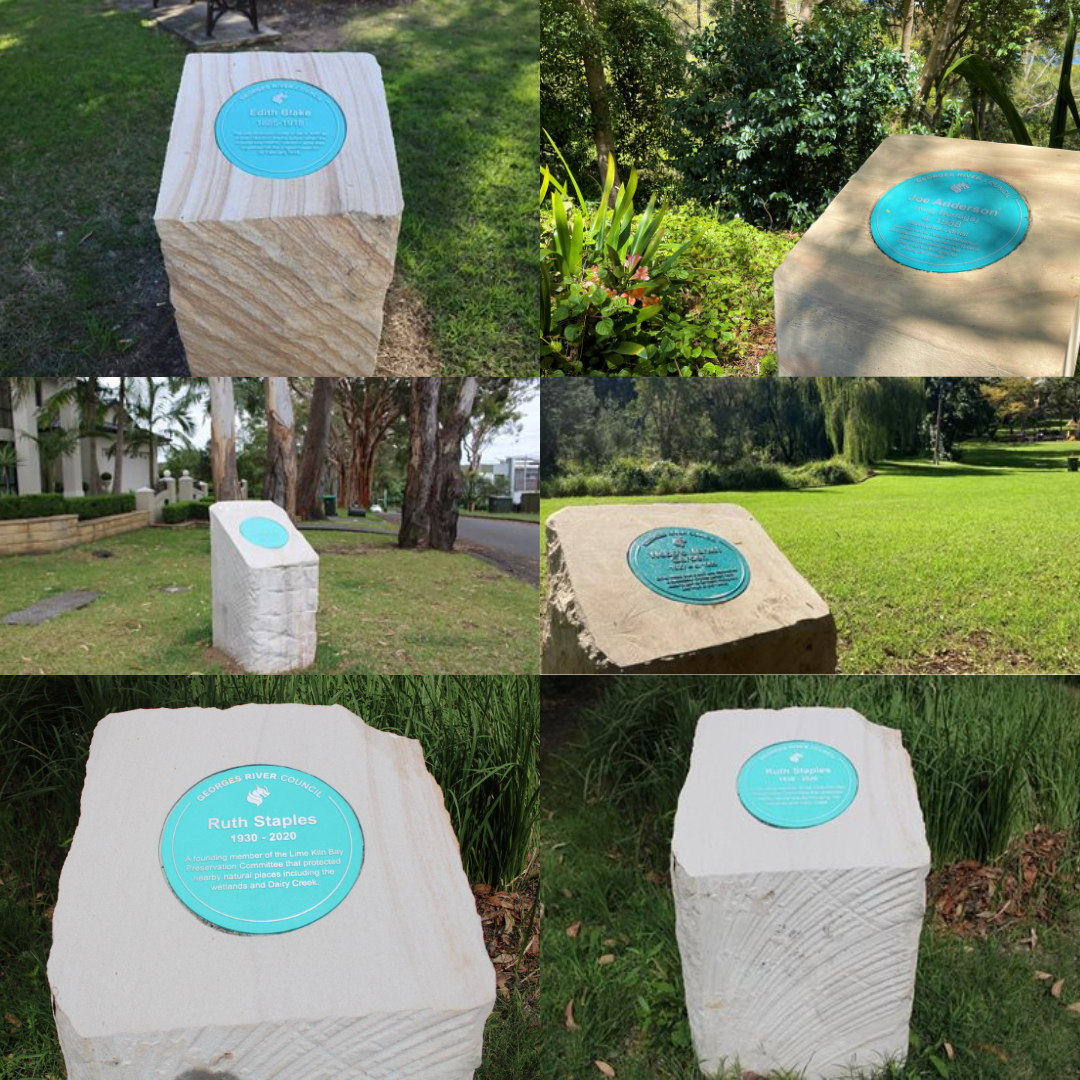
Our annual Historical Markers Program celebrates our heritage and the people who have shaped it. Launched in 2018, we have enshrined the story of Georges River all across the local Government Area (LGA) with 37
You may have spotted one of these markers while out for a walk, visiting a town centre, or spending time in a park or open space. Each marker is developed by our Local Studies team, but the stories behind them often come from our community.
Through this shared knowledge, the program aims to:
Highlight important local people and places that have shaped the area.
Include an easy‑to‑access historical resource and outdoor archive that gives the community ongoing ways to explore and engage with local history.
2026 Historical Markers Program
Nominations for the Historical Markers program are now open.
Is there a historical person or place in Georges River you would like to nominate? We're sure you've got some great suggestions for Historical Markers, and we invite you to share them with us.
We are open to diverse submissions across skate parks, business owners, community kitchens, artists, nature reserves, schools, astrophysicists and more.
What we're looking for
A historical or cultural person or place in Georges River that:
- has a strong or special association with the life or work of a person, or group of people;
- has a strong or special association with a particular community or cultural group;
- marks and contributes to an understanding of the area’s cultural or natural history; and
- demonstrates special characteristics of a cultural or natural place.
You can complete the form on this page to submit your nomination. There is space in the application to provide research, including images, source materials and links to support your nomination. Download the questions to help prepare your submission.
A toolkit is also available to guide you through the nomination process.
Need sources? Georges River Libraries provides access to online resources and handy hints to assist in your research as well as our Local Studies collection.
Historical markers help capture the stories that make the Georges River area special. By nominating a marker, community members help protect local history and strengthen the connection between people and place. Nominations can:
Need some
Here are a few examples of previous Historical Markers that show the diversity of stories represented across the Georges River area.
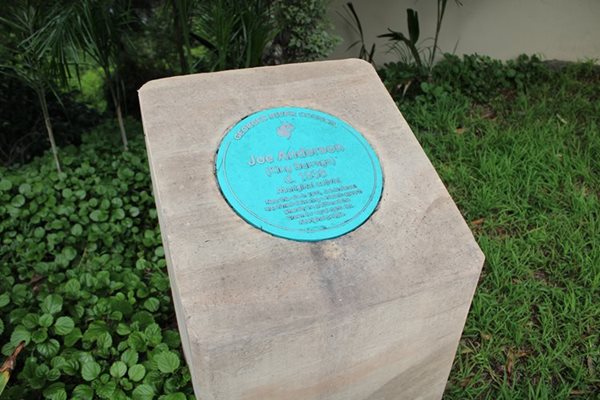
Prominent Aboriginal activist Pastor Hugh Anderson and his wife Ellen Anderson (a daughter of Biddy Giles), and later their son Joe Anderson, purchased land on the eastern bank of Salt Pan Creek, located around what is now Charm Place, Peakhurst. During the 1920s and 1930s, Salt Pan Creek became a centre of the Aboriginal civil rights movement.
In a Cinesound cinema newsreel from the 1930s, Joe Anderson, directly descended from the northern Dharawal, spoke from the Salt Pan Creek settlement, saying: “I am calling a corroboree of the natives in New South Wales to send a petition to the King, in an endeavour to improve our conditions. All the black man wants is representation in Federal Parliament. There is also plenty of fish in the river for us all, and land to grow all we want. 150 years ago, the Aboriginals owned Australia, and today, he demands more than the white man charity. He wants the right to live.”
Location of Historical Marker: Oglivy Street, Peakhurst.
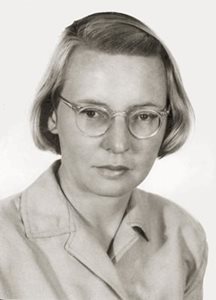
Ruby Payne-Scott (1912–1981) was a pioneering physicist and one of Australia’s first radio astronomers. After beginning her studies at Sydney University at just 16, she worked in cancer research and later joined the CSIR during the Second World War, where she helped develop radar technology. In the late 1940s she made key discoveries about solar radio bursts that shaped early radio astronomy. Payne-Scott left scientific research in 1951 and went on to teach at Danebank Anglican School in Hurstville from 1963 to 1974. Throughout her career she challenged unfair workplace rules, fought for equal pay, and pushed back against barriers that limited women’s opportunities.
Location of Historical Marker: Danebank Anglican School for Girls, Park Road, Hurstville.
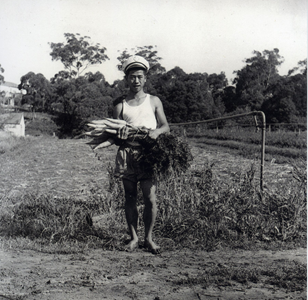
The place now known as H.V. Evatt Park was initially developed to produce food by the Webb family, who established a citrus orchard and built a dam on the site during the 1920s. Lee Wun, who had arrived in Australia to work as a market gardener in Botany, took over the lease in the 1950s. Along with family members, Lee turned it into a Chinese market garden, producing carrots, pumpkins, and tomatoes. This was one of the last operating market gardens in the Georges River area. In 1965 the area was made public land. The combined efforts of the Lugarno Progress Association and Hurstville Council resulted in a park of around 25 acres being established.
Location of Historical Marker: H.V. Evatt Park, Lugarno.
Do you need assistance reading and accessing this page?
For a free interpreter call us via the Translating and Interpreting Service (TIS) on 131 450
If you have a hearing or speech impairment, please contact the National
Relay Service:
- Voice Relay number: 1300 555 727
- TTY number: 133 677